
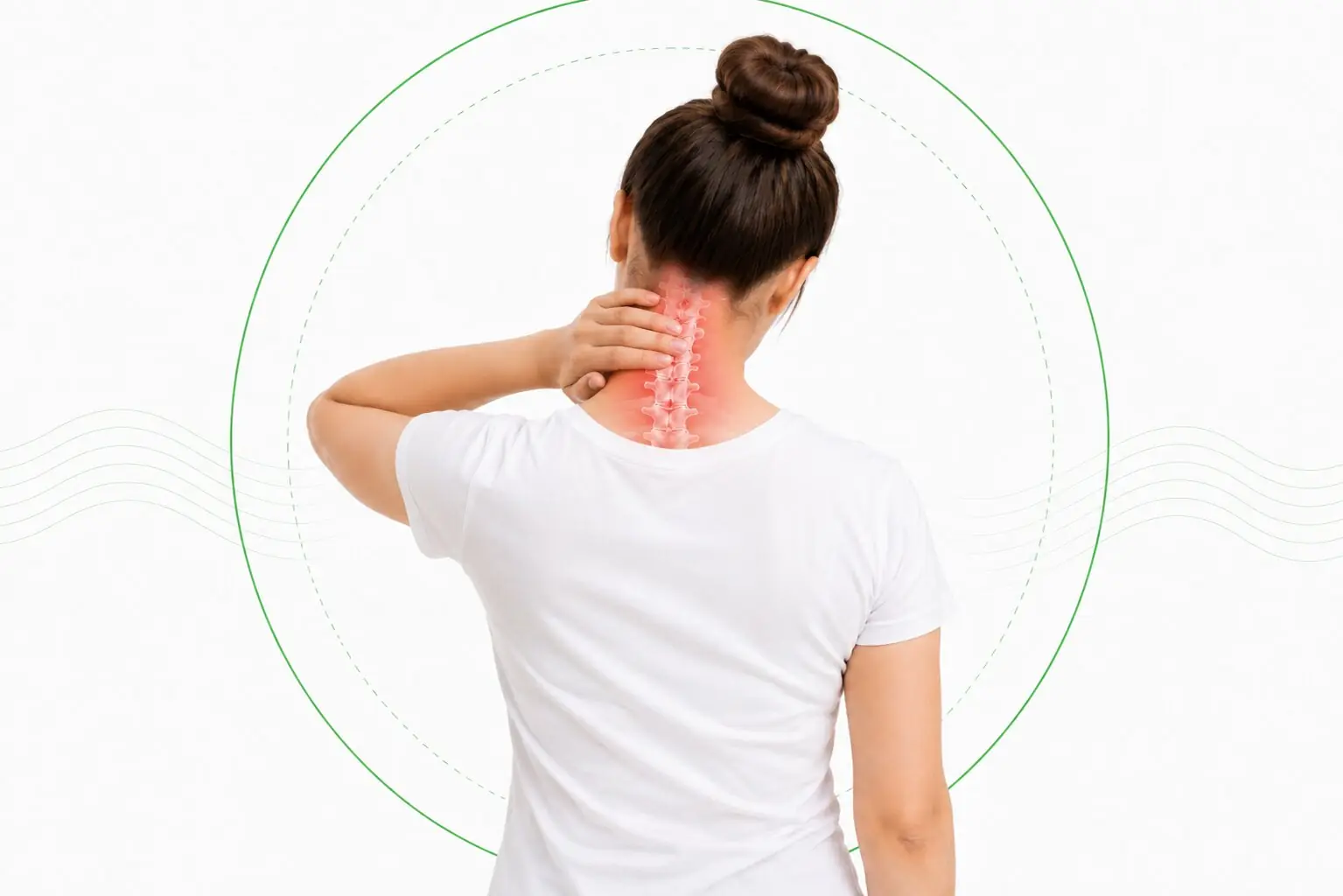
Neck Conditions
Pain and movement
Turn your head more comfortably and move through the day with confidence
Stiffness after sleep, pain on turning, and tension after a working day can look similar while having different explanations. Assessment includes arm symptoms, injury history, and general health, not just the neck. A scan or a description of posture cannot explain the whole situation.
Understanding the pain
Sustained positions and demands
Symptoms may change after prolonged sitting, unfamiliar work, or awkward sleep. Notice how they relate to the duration of a task rather than searching for a single wrong posture. Pain does not automatically mean the head should be kept still.
When symptoms extend into an arm
Arm pain, tingling, numbness, and weakness may need nervous-system assessment. Mention changes in balance or hand coordination too. These findings should not automatically be labelled tight muscles.
How it can feel
- difficulty turning the head
- pain or pulling at the base of the skull
- tension in the neck and trapezius area
- heaviness after desk or phone work
- stiffness after sleep or long sitting
- tightness that makes it hard to relax the neck
Where assessment starts
Discuss onset, the direction of pain, injuries, headaches, and limitations in turning. A physician may assess strength, sensation, coordination, and whether tests are indicated. After a serious injury, do not begin with exercises or intensive hands-on treatment.
History and movement
Discuss when symptoms began, injuries, everyday demands, and what has become difficult. Numbness, weakness, fever, and other health conditions are important parts of the history too.
A clear plan
Discuss suitable options, their limits, and the goals of care. Complementary approaches do not replace medical assessment; some symptoms need a physician’s opinion before treatment is considered.
Review and adjust
Look beyond how you feel immediately after a session. Sleep, movement, and tolerance of activity between visits matter. A lack of progress or new symptoms calls for reassessment, not automatically more of the same treatment.
Building a care plan
When appropriate, care can involve comfortable movement, gradual return to activity, and changes to work routines. If complementary approaches are proposed, ask about their purpose and limits. A course of sessions cannot replace assessment of new neurological symptoms or treatment of a diagnosed disease.
Movement in everyday life
- Alternate positions
- Take brief screen breaks and vary tasks. A comfortable posture works better when you can change it freely.
- Do not force a turn
- Do not chase a clicking sound or an extreme position through pain. A suitable range depends on your current condition.
- Keep activities safe
- If you cannot turn your head adequately, avoid driving or activities where that limitation creates danger.
Recognising progress
Notice whether looking around, work, and sleep are easier. The goal is comfortable function, not perfect symmetry in a photograph. Persistent symptoms, new arm sensations, or deterioration call for reassessment.
Preparing for a consultation
- When symptoms began, what aggravates them, and what helps.
- Two or three movements or activities you would like to return to.
- A list of medicines and supplements, relevant surgery details, and reports you already have. Do not arrange new scans in advance without a medical recommendation.
When to seek medical help
Seek urgent assessment
Increasing arm numbness or weakness, difficulty walking, or balance changes need urgent medical assessment. Persistent pain and restricted movement also deserve a medical review.
Emergency care
Seek emergency help after serious trauma, with sudden weakness and speech or vision changes, or with a severe headache, fever, and a very stiff neck.
Educational information for adults, not an individual diagnosis. With warning symptoms, do not wait for a reply to an appointment form: contact local urgent or emergency medical services.
Common questions
Is there one right pillow for everyone?
No single shape suits everyone. Comfortable support that does not aggravate symptoms matters. Buying a pillow cannot replace assessment of persistent pain.
Should I keep correcting my neck position?
Holding one position continuously is not the goal. A variety of comfortable positions and suitable activity breaks are usually more practical unless a physician has given specific restrictions.
Let’s discuss your situation
Tell us what makes movement, work, or rest difficult. Your symptoms and goals are the starting point, rather than a preset course of procedures.
Request Appointment